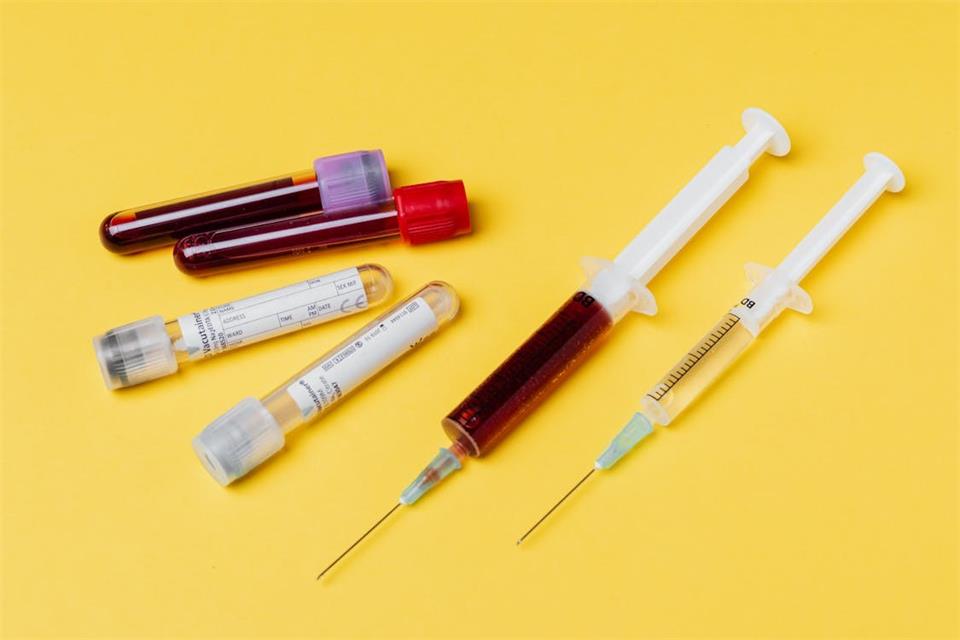
Workplace safety is not just about rules-it’s about saving lives. Hidden risks like bloodborne pathogens can affect anyone at work. Getting certified helps workers prevent accidents, protect their health, and follow safety laws.
With training, employees stay safe and businesses avoid costly legal problems. Certification builds confidence and makes safety a top priority. Taking this step creates a safer and healthier workplace for everyone.
What Is Bloodborne Pathogens Certification?
Bloodborne pathogens certification teaches workers how diseases spread through blood and body fluids. It shows how to handle materials safely, use protective gear, and follow the right steps in case of exposure. This reduces the risk of infection in workplaces.
Jobs in healthcare, emergency response, and cleaning often need this certification to meet OSHA rules. It prepares workers to act fast and safely during an incident. With this training, employees can protect themselves, their coworkers, and the people they serve.
Why Certification Matters for Workplace Safety
Bloodborne pathogen training teaches workers to stay safe from diseases like HIV and hepatitis. It shows them how to use safety gear and work safely. Employers gain from fewer accidents, less liability, and a safer workplace.
Certification also helps businesses meet OSHA safety rules. This prevents fines and shows that the company values safety. Training fosters trust and demonstrates responsibility towards both workers and customers.
What to Look for in Training Programs
Not all training programs are the same, so it’s important to choose carefully. Pick one that is accredited and follows OSHA rules to meet federal safety standards. This helps keep both workers and employers safe and compliant.
Good training should also focus on real skills people can use every day. Workers need to know how to handle sharps, wear protective gear, and clean spills the right way. These steps equip them to respond promptly and safely in high-risk situations.
Accessibility makes training easier for everyone. Online courses make it easy to get certified, and refresher classes are needed each year. For further guidance, refer to the OSHA Bloodborne Pathogens Standard.
Who Needs This Certification?
Bloodborne pathogens certification is important for anyone who may come into contact with blood or body fluids. This includes healthcare workers, first responders, cleaners, tattoo artists, childcare, and eldercare staff. The training helps them stay safe and protect others.
Even in non-medical jobs, accidents can happen. Cuts or work-related injuries can expose people to harmful viruses. Certification gives workers the knowledge to respond safely, making it useful in any industry.
Benefits Beyond Compliance
Beyond legal compliance, certification provides long-term advantages. It shows employees that their safety matters, which boosts morale and retention. It also protects companies from lawsuits and financial loss by ensuring workers are trained to handle risks properly. Most importantly, it builds trust within the workplace and with clients who value strong safety practices.
Prioritize Safety, Protect Your Team
Bloodborne pathogens certification is not just about rules-it helps keep the workplace safe. By preparing employees, businesses safeguard both individuals and operations. Don’t wait for an accident to happen-make certification a priority today.
For more safety insights and workplace training tips, keep exploring our blog.


Leave a Comment